

Let’s Talk About Mold
We’ve been asked about mold and coffee - we’re happy to provide the answer.
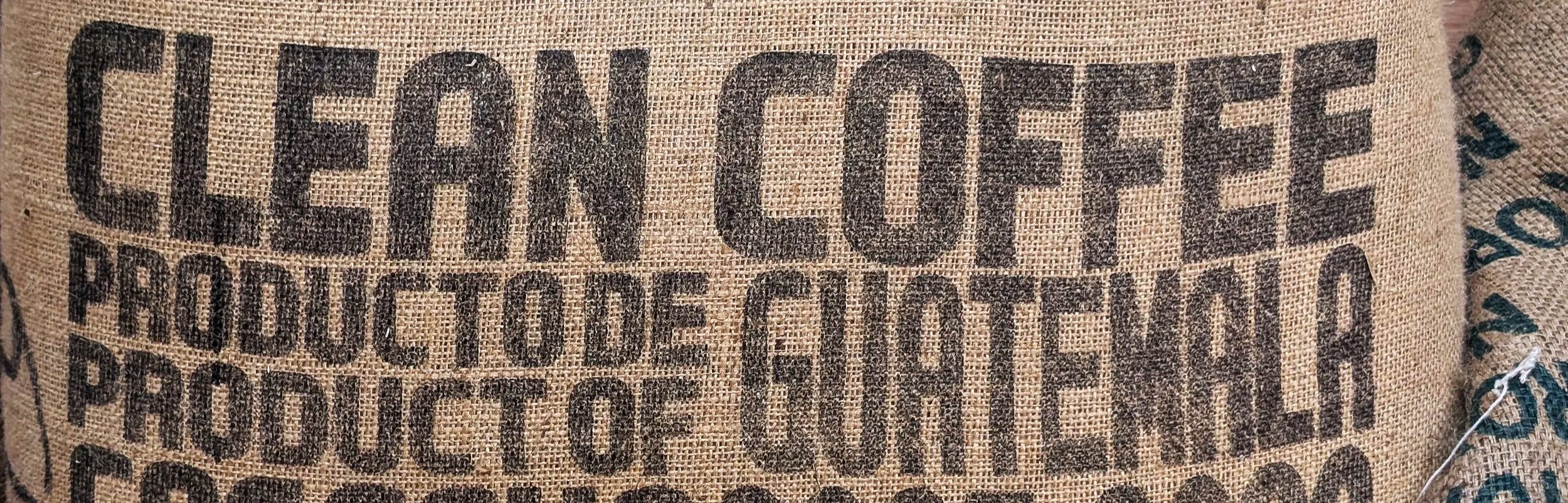
Our Guatemalan beans are washed process, single-farm, and even bird-friendly
We know a lot about coffee. We’ve got the CV to prove it.
Next year will mark our tenth year as professionals. We work with NFC and USDA to safeguard our organic certification. Our roastery is certified Kosher. We source green beans that score in the 90th percentile for quality testing (better coffee, less junk). Our Master Roaster is a certified Q-Grader...the highest achievement any coffee nerd can attain.
So, when a dutiful coffee drinker stopped by the shop and asked if we had mold in our coffee, of course, we knew what they were concerned about. And, we quickly allayed any worries about mold or lingering chemical compounds in our coffee.
But our concern lingered. Someone asked about mold? Out of nowhere? Then, just as we thought it must have been a one-off, we got the mold question second time. What? Is this a thing now? How did this particular question come to our door?
We found the answer, but before we go too much further, let’s put it on record. We're absolutely not in the practice of calling out our competitors and peers in the coffee world. But, as mentioned, this came to our doorstep, from people we like and who like us.
So, now we have to respond.
(Spoiler: our coffee does not have mold, nor enough residual compounds to make anyone sick)
Scare tactics are fancy now!
One quick search, and we found the online ad causing the stir. It was beautiful! We aren't linking it, but trust that it's an absolutely gorgeous video about coffee production. Its graphics are fancy. Its effects are special. It features scenes inside laboratories with actors in lab coats performing MRIs on individual coffee beans! Its message was simple: Your Coffee Has Mold, and Only We Can Save You!
We were impressed. And a bit upset. Not because of insinuations about mold, but because we can't afford to produce a video like that one. It was very pretty, for real.
But beyond being pretty, it is also deeply misleading. It’s a fancy scare tactic. An advertising strategy dressed up as a PSA.
The intent of the company’s video is to educate you about mold in coffee, inform you that mold in coffee is going to kill you, and position themselves as the heroes that will save you. To drink any other coffee means you’re putting your life at risk.
Don Draper would have been a fan.
Greenwood Lake Coffee is mold-free…and tastes amazing
We know because our processes are meticulous. But better yet, we have some facts to back it up:
Our beans are tested three times for mold and mycotoxins before they're allowed to arrive at our roastery.
More importantly, our beans are tested for moisture content. Any beans with more than a 12% moisture rating don't come here. Anything higher invites problems we don’t want.
Between these two tests, we have never had an issue, but let's go a little further just to be sure...
Our roastery and bean room are climate-controlled to keep the humidity out.
We clean everything...EVERYTHING...every day we roast. It's part of our USDA Organic Certification.
So, no, we don't allow anything to grow where we make coffee. But we’re on a roll let's get exhaustive about it!
Technically speaking, mold itself does not survive roasting temperatures.
Chemical compounds like mycotoxin and ochratoxin are produced by molds, and can survive the high heat of the roasting process - but any trace amounts that might get past the tests in Step 1 above are reduced by as much as 95%. Anything left at this stage is less than the levels you would find in a bottle of wine or a bowl of chili.And finally - we don't keep beans sitting around long enough for mold to develop. We roast it, we brew it, we package it and ship it to you.
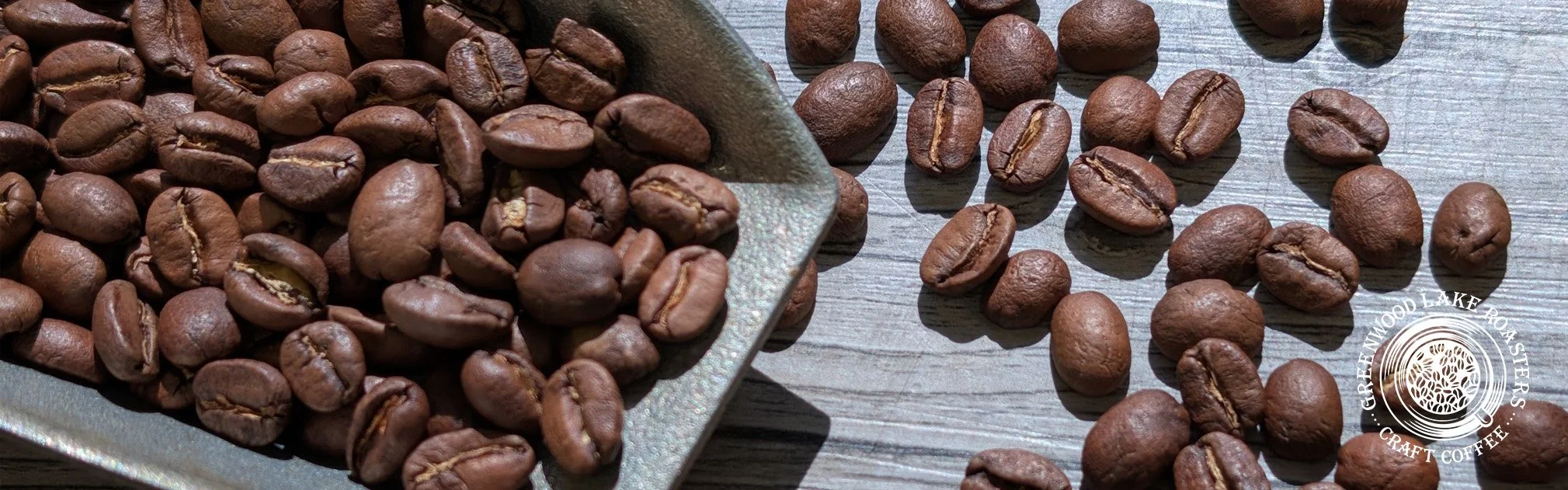
Ethiopian Sidamo Washed - Light Roast (Organic)
What to do if your coffee tastes off
This is easy to make light of, but if you suspect your coffee is affecting your health, you shouldn’t ignore it. There are other areas you can and should consider. Here's a brief list to make sure you’re covered:
Drink better coffee.
Of course we hope you’ll brew our roasts, but this isn’t a sales pitch—you should procure good coffee. If you’re brewing from an opened container and it’s been sitting in the back of a cabinet for years, it’s probably not good. If you bought it in a zip-seal bag with no inspections at a random market, probably not good. If there’s no information at all about where or how it was made, practice that healthy skepticism.The quality of your water is important.
Iron, heavy metals, PFAS, and other contaminants from your drinking water can negatively affect your coffee as well as your health. If this is a concern, pause reading this article and look at ways you can test your water at home.Consider your stomach.
If you’re drinking high acidity coffee (light roasts) on an empty stomach, this can cause sensitivity and nausea. The same can happen if you’re drinking coffee when you’re dehydrated. Take care of yourself.Check your additives.
If you’re using creamers and sweeteners, be sure they’re in good shape when you add them, and they’re not curdling either due to extreme heat or their past-due dates.Clean your coffee maker - especially drip and perc makers.
Calcium lime, and other contaminants can build up over time. Clean your maker by running it with a 50/50 mix of water and vinegar. Stop the brew when it’s half done and let the solution soak inside the machine for 30-60 minutes. Then, finish the cycle, and run the maker again at least three times with nothing but clean water.
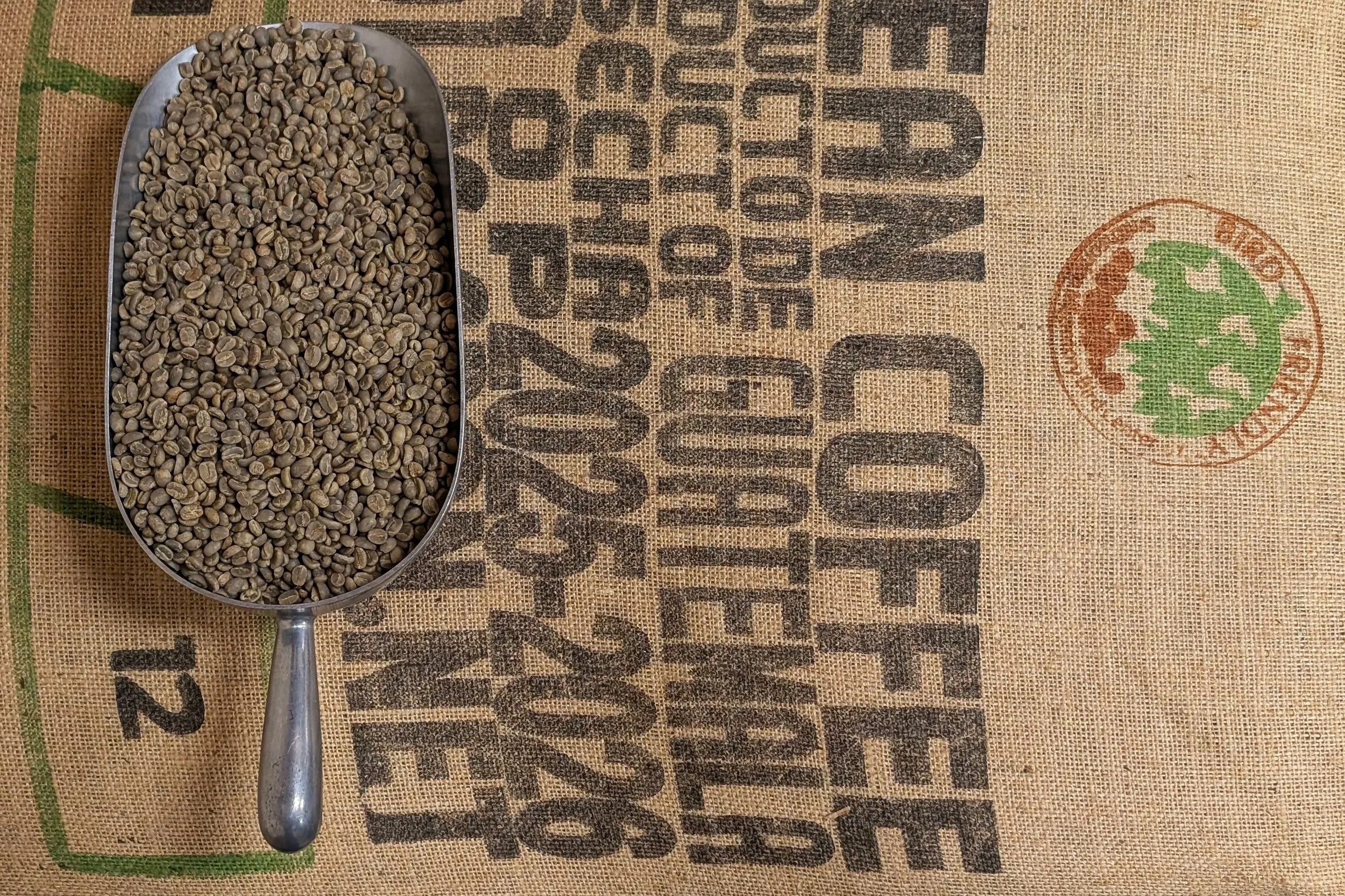
We’ll keep making small-batch, artisan coffee.
I hope this is helpful. At the core of it all, it’s our job to roast and provide the finest coffees we can find from around the world.
We opt to avoid drama, and we haven’t found much of it in our effort to make great organic coffees into delicious roasts. Admittedly, we’ve never done an MRI of any of our beans (oh, but that would be cool), but instead we relentlessly test and cup our coffees to make sure they’re keeping with our tradition of bringing out the best flavors from the highest quality beans.
No plot twists. No mold, certainly. Just better coffee in your cup, whenever you need it.